


Benötigen Sie wasserdichte Steckverbinder?Angebot anfordern →
The 1500V solar connector from our PV4 series went into a 120 MW solar plant in Indonesia, built by a tier-1 EPC contractor. Eighteen months in, the field report says zero connection faults, and assembly time came down by about 25% versus what they used before. We are publishing the case because the site is harsher than anything most of our customers in Europe and North America will face. If the connectors work there, your site is not going to be the problem. Indonesia sits right on the equator. Humidity stays above 80% for months at a time, the monsoon rains for weeks, and the floating half of the array is in constant motion, with salt spray on everything. Your project, wherever it is, will be easier on the connectors than this one was. The client is a tier-1 EPC. They prefer to stay unnamed, and the commercial terms are under NDA. That leaves us with the spec, the product, and the results, which is what this page is about anyway. We supplied DC harness components for the whole plant, which mixes floating and ground-mount arrays. The requirements list was short and specific: 1500 VDC system rating, IP68 that holds up in practice, TÜV/IEC 62852 certification, and a housing that survives UV and heat. One more thing: the footprint had to match the MC4-style connectors the crew already knew, so they could keep their crimping tools and their training.
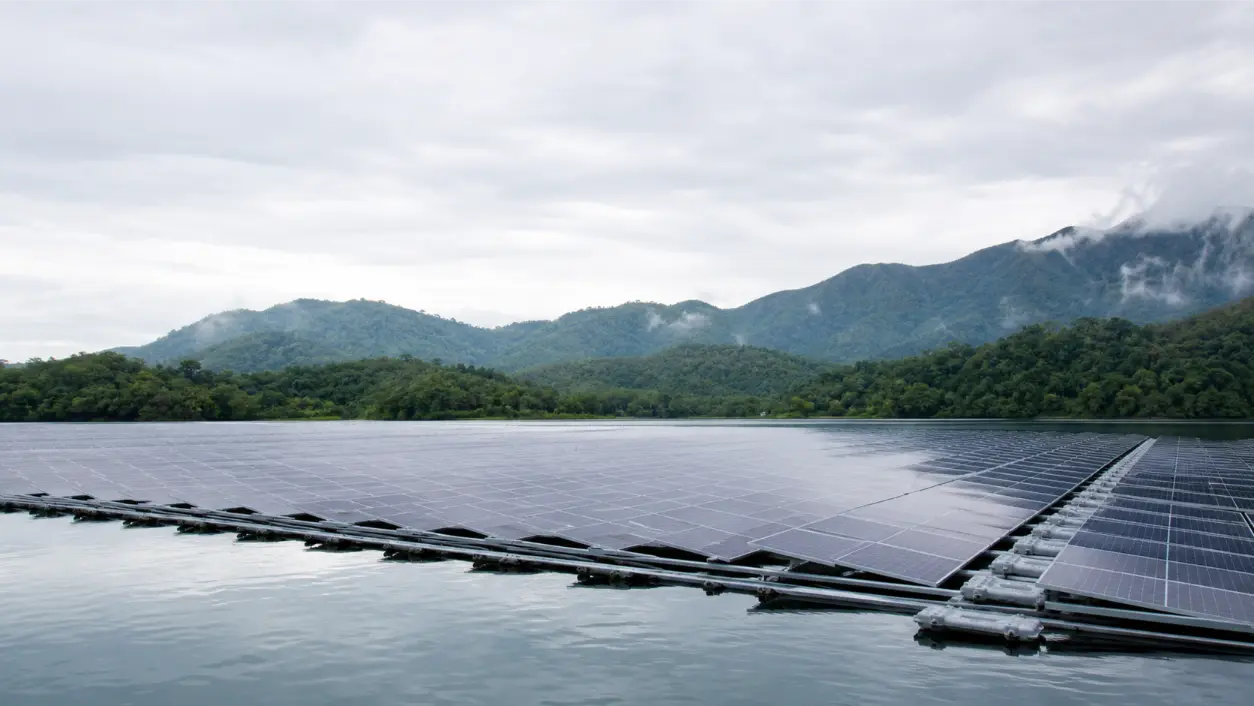
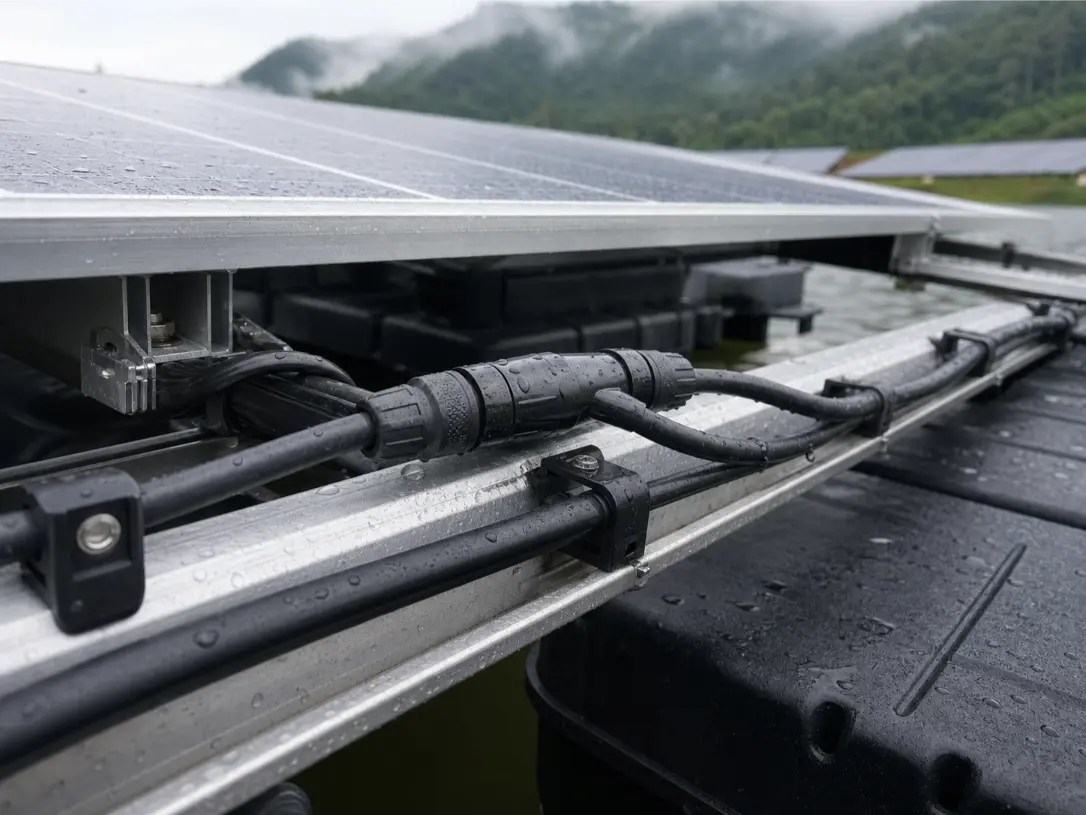
Nobody on the client side needed the risks explained. Humidity that high finds the gaps in a connector housing, even one that passed its IP test in a lab. Field crimping on thousands of connections eats time. On a utility site, that time shows up in the budget. Floating arrays vibrate constantly, which is how loose connections show up months later. And if a connection does fail out on the floating section, the crew takes a boat out while the array sits idle.
Here is what the PV4 series carries, straight from the catalog:
| Technische Daten | |
|---|---|
| Nennspannung | 1000 / 1500 VDC |
| Withstand voltage | 8000 VDC |
| Pulse withstand voltage | 16 kV (1.2/50 μs) |
| Waterproof rating | IP68 (1 m / 24 h) |
| Betriebstemperatur | -40 to +85 °C |
| Flame retardant rating | UL94 V-0 |
| Kontaktmaterial | Tin-plated copper alloy |
| Max working current | 65 A (TÜV rating) |
| Housing material | PPO engineering plastic, UV resistant |
| Standards | TÜV/IEC 62852, GB/T 33765, UL 6703 |
| Locking | Dual-spring clip, tool or manual release |
Certification gets read differently on each side of the Atlantic. The PV4 series carries both sets:
The client’s name and commercial details remain under NDA. Qualified buyers can get the test reports, production-line photos, and the application parameters used on this project. Ask us directly.
If you need the datasheet or a sample of the 1500V solar connector for your next utility project in Europe or North America, email [email protected] or message us on WhatsApp (+86 132 8895 6228). You will get an answer from someone who knows the product, not a template. 120 MW in a tropical monsoon climate. 18 months. Zero connection faults.
The 1500V solar connector from our PV4 series went into a 120 MW solar plant in Indonesia, built by a tier-1 EPC contractor. Eighteen months in, the field report says zero connection faults, and assembly time came down by about 25% versus what they used before. We are publishing the case because the site is harsher than anything most of our customers in Europe and North America will face. If the connectors work there, your site is not going to be the problem.
Indonesia sits right on the equator. Humidity stays above 80% for months at a time, the monsoon rains for weeks, and the floating half of the array is in constant motion, with salt spray on everything. Your project, wherever it is, will be easier on the connectors than this one was.
The client is a tier-1 EPC. They prefer to stay unnamed, and the commercial terms are under NDA. That leaves us with the spec, the product, and the results, which is what this page is about anyway.
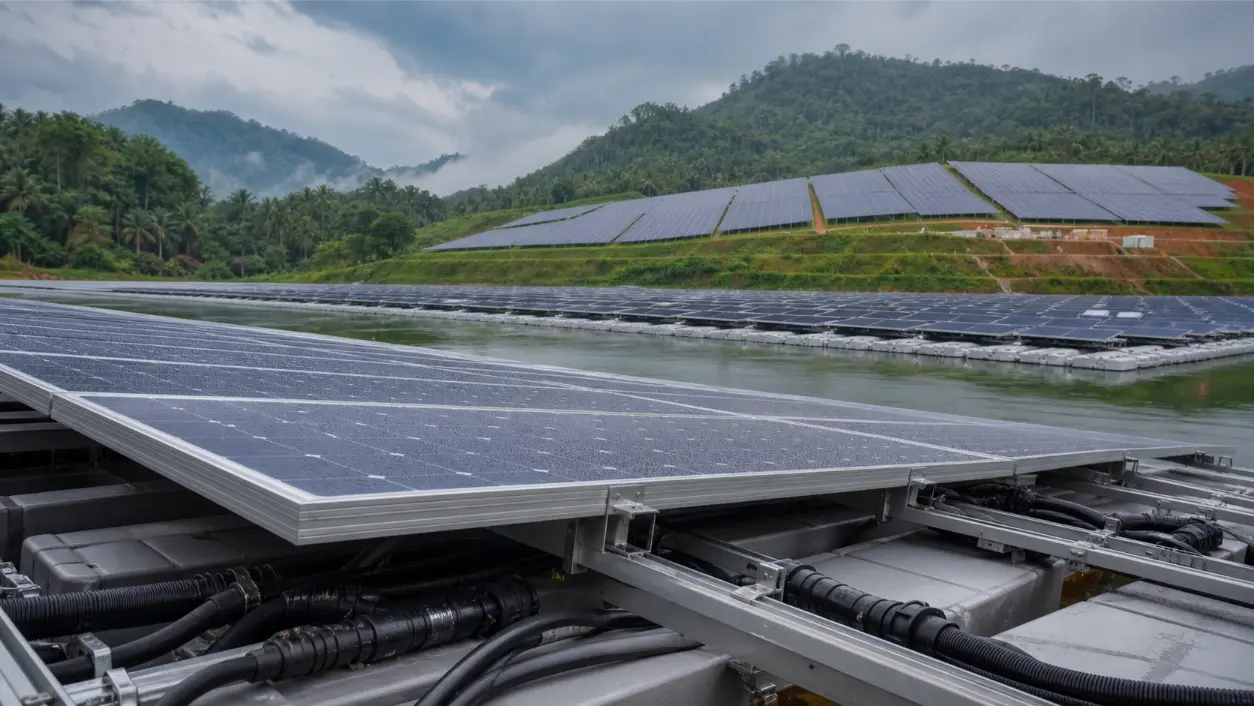
We supplied DC harness components for the whole plant, which mixes floating and ground-mount arrays. The requirements list was short and specific: 1500 VDC system rating, IP68 that holds up in practice, TÜV/IEC 62852 certification, and a housing that survives UV and heat. One more thing: the footprint had to match the MC4-style connectors the crew already knew, so they could keep their crimping tools and their training.
Nobody on the client side needed the risks explained. Humidity that high finds the gaps in a connector housing, even one that passed its IP test in a lab. Field crimping on thousands of connections eats time. On a utility site, that time shows up in the budget. Floating arrays vibrate constantly, which is how loose connections show up months later. And if a connection does fail out on the floating section, the crew takes a boat out while the array sits idle.
Here is what the PV4 series carries, straight from the catalog:
Rated voltage1000 / 1500 VDCWithstand voltage8000 VDCPulse withstand voltage16 kV (1.2/50 µs)Waterproof ratingIP68 (1 m / 24 h)Operating temperature-40 to +85 °CFlame retardant ratingUL94 V-0Contact materialTin-plated copper alloyMax working current65 A (TÜV rating)Housing materialPPO engineering plastic, UV resistantStandardsTÜV/IEC 62852, GB/T 33765, UL 6703LockingDual-spring clip, tool or manual release
The housing is PPO. It does not go brittle under UV and temperature swings the way cheaper plastics do. The contacts are tin-plated copper alloy, good for 65 A with temperature rise still inside limits. And the dual-spring clip locks both sides of the contact, so the connection seats evenly and stays seated under vibration. The catalog table above is not marketing copy; those numbers are the tested values.
The client kept their existing crimping tools and their crew’s training because the PV4 footprint matches the industry-standard MC4-style interface. On a project this size, avoiding a second inventory and a round of on-site re-education was worth real money.
Certification gets read differently on each side of the Atlantic. The PV4 series carries both sets:
Find fast answers to common questions about PV4 solar connectors and specifications.

Lassen Sie uns gemeinsam Ihre Netzwerklösung entwickeln
Teilen Sie uns Ihre Anwendungsanforderungen, Spezifikationen und die geschätzte Stückzahl mit. PVLinkTech unterstützt Sie bei der Auswahl einer praktischen Steckverbinderlösung für Anwendungen in den Bereichen Wasserdichtigkeit, Solar, Energiespeicherung, Signalübertragung, Push-Wire-Technik oder kundenspezifische Kabelkonfektionen.
Teilen Sie uns Ihre Produktanforderungen, Anwendungsdetails und die geschätzte Stückzahl mit. Unser Team wird Ihre Anfrage prüfen und Ihnen eine passende Steckverbinderlösung empfehlen.