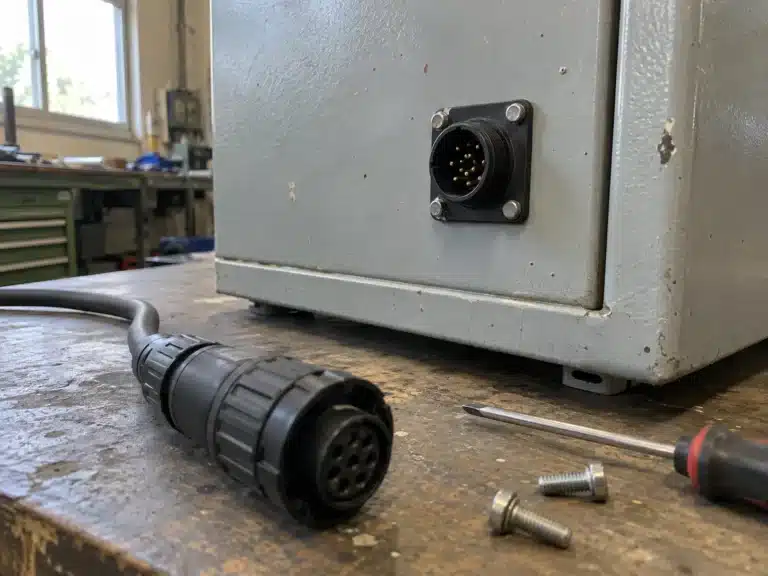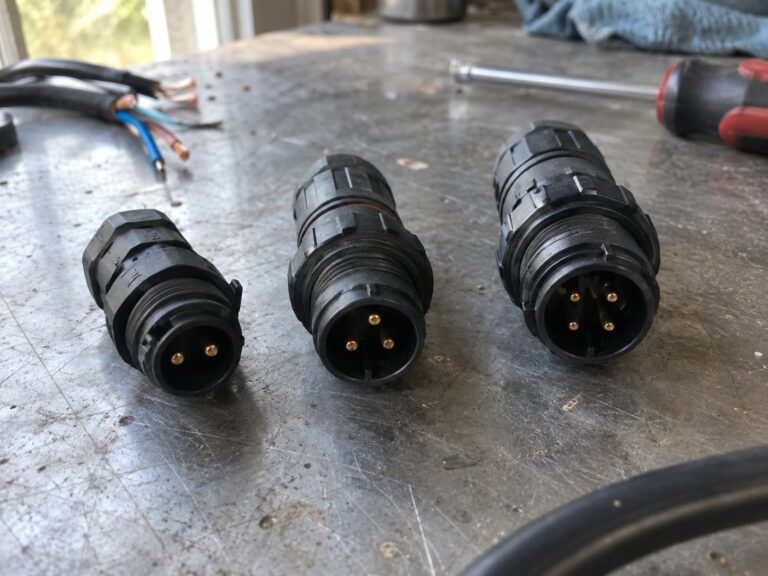


Precisa de conectores à prova d'água?Solicite um orçamento →

Resumindo: IP67 significa que o conector resiste a 30 minutos em 1 metro de água. IP68 significa o que o fabricante disser que significa — profundidade, duração, condições, tudo definido pelas especificações do teste, e nada disso se aplica de um produto para outro. Dois conectores podem ter a mesma classificação IP68 e apresentar limites totalmente diferentes na prática.
Portanto, não basta escolher o número mais alto. A escolha entre conectores à prova d’água IP67 e IP68 depende de como a água chega ao ponto de conexão, por quanto tempo ela permanece ali, como o cabo é encaminhado… A diferença entre conectores à prova d’água IP67 e IP68 resume-se à imersão: a que profundidade e por quanto tempo.
Veja a seguir como os conectores à prova d’água IP67 e IP68 funcionam na prática e o que verificar antes de enviar um pedido de compra. Se você já conhece o seu ambiente e quer apenas a resposta curta, pule direto para a lista de verificação no final.
A classificação IP é o resultado de um teste, não uma promessa. “IP” significa “Ingress Protection” (Proteção contra a penetração), e os dois dígitos medem dois aspectos distintos: o primeiro se refere a objetos sólidos e poeira, e o segundo, à água.
No caso de conectores para uso externo, todo mundo fica de olho no segundo dígito — o que é compreensível —, mas ele só tem significado dentro do contexto. A classificação é testada em um conjunto específico de acordo com a norma IEC 60529, a norma internacional que define os métodos de teste de Proteção contra Ingresso. O projeto do invólucro, a interface de acoplamento, as vedações da entrada de cabos e até mesmo a forma como o instalador aperta o prensa-cabos — qualquer um desses fatores pode ser a razão pela qual o conector da sua máquina não atinge o valor indicado na ficha técnica.
Também é importante saber: uma classificação IP não diz nada sobre radiação UV, névoa salina, vibração, produtos químicos ou ciclos térmicos. Um conector pode ter classificação IP68 perfeita e mesmo assim deixar de funcionar após dois anos de exposição direta ao sol.
IEC — o guia oficial sobre a classificação IP

A principal diferença entre as classificações IP67 e IP68 é a imersão. A que profundidade e por quanto tempo?
IP67 (IPX7 conforme a norma IEC 60529) é testado para imersão temporária, normalmente a 1 metro de profundidade por 30 minutos. Chuva, respingos, lavagem — o tipo de água que vem e vai. Isso abrange muitos equipamentos para uso ao ar livre, sinceramente.
Wikipédia — O código IP, dígito por dígito
IP68 (IPX8) é testado quanto à imersão, mas o fabricante define e documenta a profundidade e a duração. Um produto pode ter classificação de 1,5 metros por 24 horas. Outro pode alegar 30 metros por uma semana. Ambos são IP68. A etiqueta por si só não indica qual deles você está comprando — um ponto que a orientação da NEMA sobre classificações de invólucros também destaca ao comparar sistemas de proteção contra ingresso de água entre regiões.
É nessa situação que o processo de seleção de fornecedores acaba confundindo as pessoas. Dois fornecedores apresentam cotações para conectores IP68 e, a menos que você compare as condições de teste, não está comparando nada. É por isso que enviamos a ficha técnica junto com cada cotação, em vez de nos limitarmos a indicar apenas “IP68”.”
| Especificações | IP67 | IP68 |
|---|---|---|
| Proteção dos recursos hídricos | Imersão temporária em condições definidas | Imersão contínua nas condições especificadas pelo fabricante |
| Teste típico da norma IEC 60529 | Até 1 m por 30 minutos | Profundidade, duração e pressão especificadas pelo fabricante (variam de acordo com o produto) |
| Mais indicado para | Chuva, respingos, lavagem e água estagnada temporária | Imersão prolongada, alagamento, exposição contínua à umidade |
| O que verificar | Montagem do conector e vedação correta do cabo | Profundidade, duração, temperatura e configuração do conjunto documentadas |

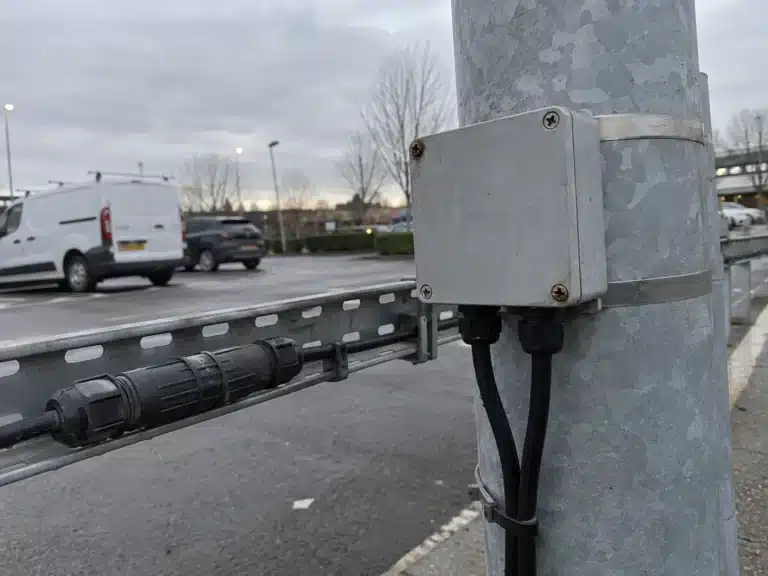
A maioria dos equipamentos para atividades ao ar livre nunca fica submersa. Eles ficam expostos à chuva, a respingos e são lavados com mangueira de vez em quando, talvez fiquem em uma poça por algum tempo. Se essa for a sua realidade, um conector à prova d’água IP67 costuma ser a escolha certa, além de ser a opção mais econômica.
Aplicações típicas da classificação IP67:
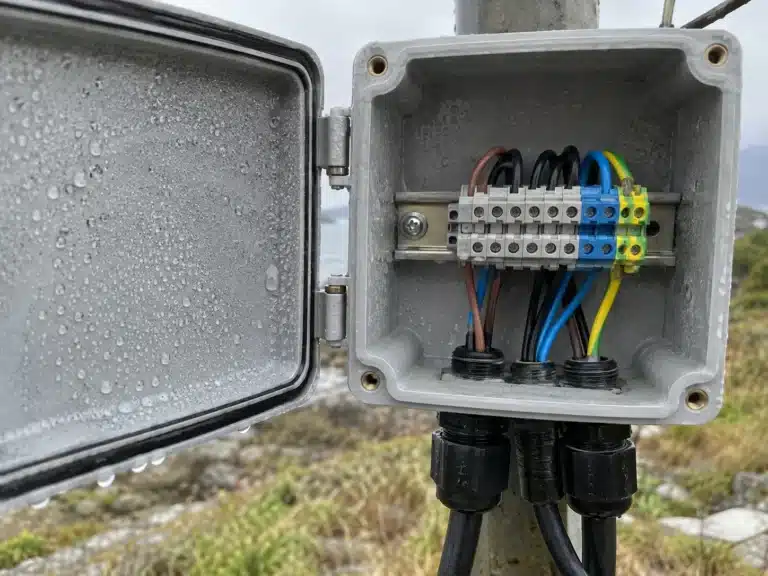
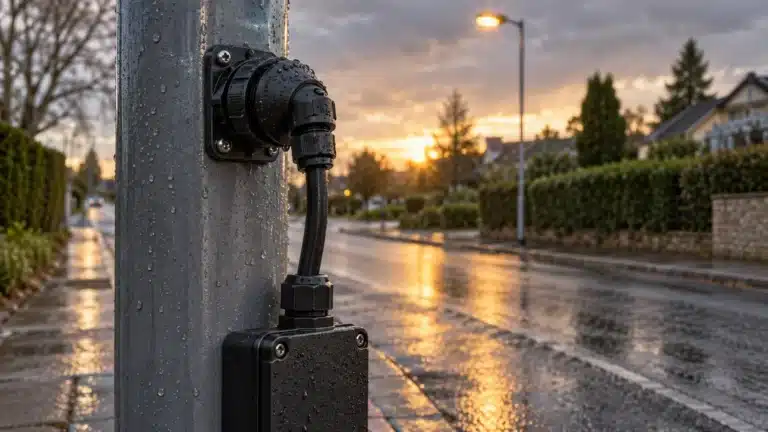
A instalação é tão importante quanto a classificação técnica. Uma entrada de cabo voltada para baixo, um laço de gotejamento, um alívio de tensão e uma boa drenagem — esses cuidados evitam, desde o início, que a água entre em contato com a conexão. Eles não substituem a classificação técnica, mas são o motivo pelo qual ela se mantém confiável na prática, e não apenas no laboratório de testes.
Escolha a classificação IP67 quando a imersão temporária corresponder ao seu risco real e você puder instalar o conjunto completo de acordo com as instruções do fabricante. Você pode consultar aqui as opções com classificação IP67, caso queira comparar configurações.
Um conector à prova d’água com classificação IP68 mostra seu valor quando a conexão fica submersa na água por um longo período ou quando é inundada repetidamente. Leve isso em consideração quando:
Considere um prensa-cabo dentro de um gabinete protegido contra intempéries: ele não precisa da mesma proteção que um conector próximo ao nível do solo em uma área com drenagem deficiente. E qualquer componente próximo a ambientes marinhos, lavagem agrícola ou limpeza industrial precisa de uma avaliação que vá além de sua classificação IP, independentemente das circunstâncias.
Antes de especificar a classificação IP68, solicite as condições de teste definidas. A menção “IP68” deve ser o ponto de partida da conversa, não o seu fim. Da nossa parte, as condições de imersão — profundidade, duração, temperatura da água e pressão — estão documentadas por série na ficha técnica, e nós as enviamos mediante solicitação. Você também pode comparar as opções de IP68 no Série LP.
A água é apenas uma das causas de falha dos conectores para uso externo. Veja a seguir o que mais você deve verificar ao comparar conectores à prova d’água IP67 e IP68 para o seu projeto.
A vedação só funciona dentro de uma determinada faixa de diâmetro externo do cabo. Se o cabo for muito pequeno, muito grande, ovalizado ou tiver o revestimento danificado, o elemento vedante não se comprimirá como deveria — e o conector “à prova d’água” apresentará vazamentos exatamente onde você esperaria.
Confirme antes de fazer o pedido:
A gama de cabos aprovada e os valores de torque estão listados nas instruções de instalação de cada série de conectores. Nós os incluímos em todas as cotações, para que a configuração seja confirmada antes de você fazer o pedido, e não depois que ocorrer uma falha.
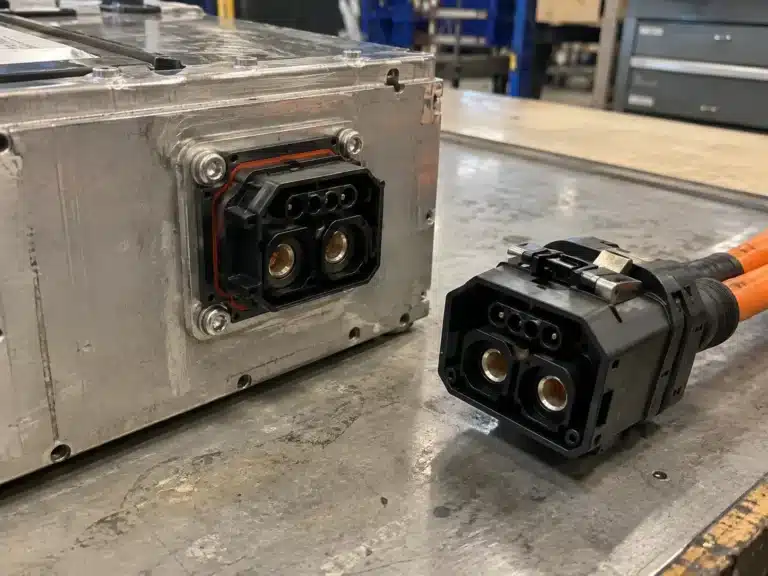
A classificação se aplica a um conector totalmente acoplado. Uma tampa solta, uma porta não vedada e não utilizada, um soquete sem a vedação do painel — a eficácia do invólucro depende da abertura mais vulnerável.
Verifique todo o trajeto, não apenas o corpo do conector:
Raios UV, temperaturas extremas, ciclos térmicos, umidade, névoa salina, vibração, produtos químicos, agentes de limpeza e carga elétrica. Por padrão, a classificação IP não abrange nenhum desses fatores. Se a sua aplicação envolver dois ou três deles, consulte a ficha técnica e verifique os dados ambientais do modelo específico antes de tomar uma decisão.
Analise estes pontos antes de finalizar um caderno de encargos ou solicitar um orçamento:
Nosso guia de seleção de conectores solares apresenta as mesmas etapas especificamente para aplicações solares.
Partir do princípio de que a classificação IP68 é automaticamente melhor. Custa mais caro e não resolve nada se o seu risco real for a radiação UV ou a vibração, e não a água. Se um conector à prova d’água IP67 instalado corretamente já oferece proteção suficiente contra a exposição, pagar por um IP68 significa adquirir uma margem de segurança desnecessária. Adapte a classificação ao modo de falha.
Comparar rótulos em vez de condições de teste. “IP68 x IP68” não é uma comparação. Pergunte como cada produto foi testado e em que configuração; depois, compare as condições documentadas com a sua aplicação.
Ignorando a qualidade da instalação. Um conector com especificações corretas pode apresentar falha se for apertado em excesso, se não for apertado o suficiente, se for montado com a vedação errada, se não for acoplado corretamente ou se for utilizado com um cabo incompatível. O procedimento de instalação faz parte da decisão de compra.
Tratar o conector como um componente isolado. O conector, o cabo, a peça de acoplamento, a interface do painel e os acessórios funcionam como um único sistema de proteção contra a entrada de elementos externos. Um único ponto fraco compromete todo o conjunto.
Faça essas perguntas a qualquer fornecedor antes de fechar o negócio:
Essas dúvidas surgem porque “parece correto no catálogo” não significa que “foi validado para a sua montagem”. É dessa discrepância que decorrem a maioria das falhas em campo.
Escolha a classificação de proteção de acordo com as condições da água, e não com o que o marketing diz. Para a maioria das instalações ao ar livre, um conector à prova d’água IP67 é a opção padrão mais sensata: chuva, respingos e imersão temporária. O IP68 é indicado para exposição prolongada, e somente quando as condições de teste documentadas pelo fabricante forem adequadas à sua aplicação.
E não se limite ao rótulo: compatibilidade com cabos, componentes de acoplamento, montagem, qualidade da montagem e exigências ambientais. É isso que diferencia um conector que funciona por anos de um que falha em uma estação.
Conheça nossa linha de conectores à prova d’água ou envie-nos os detalhes da sua instalação, e nós recomendaremos uma configuração, incluindo dados de teste.
Tudo o que você precisa saber sobre conectores à prova d’água IP67 e IP68
Envie-nos as informações sobre o ambiente de instalação, as dimensões dos cabos e os requisitos elétricos, e nós recomendaremos uma configuração ou solicitaremos um orçamento.

VAMOS CRIAR SUA SOLUÇÃO DE CONECTIVIDADE
Envie-nos sua aplicação, especificações e quantidade estimada. Nossa equipe recomendará uma solução de conectores adequada e fornecerá um orçamento.
Baixo MOQ · OEM e ODM · Suporte na seleção de produtos · Resposta rápida à solicitação de cotação