


Need waterproof connectors?Request a Quote →
SOLAR · ENERGY STORAGE · OUTDOOR ELECTRICAL
Compare PVLinkTech’s eight current product families for solar PV, battery energy storage, outdoor lighting, and waterproof electrical systems. Review voltage, current, cable size, IP rating, installation method, and target-market certification to select the right product for your project.
EXPLORE BY PRODUCT FAMILY
Pick the connection point first — PV module, string cable, inverter, battery rack, or equipment cabinet — then read off the ratings from the comparison table below.
01
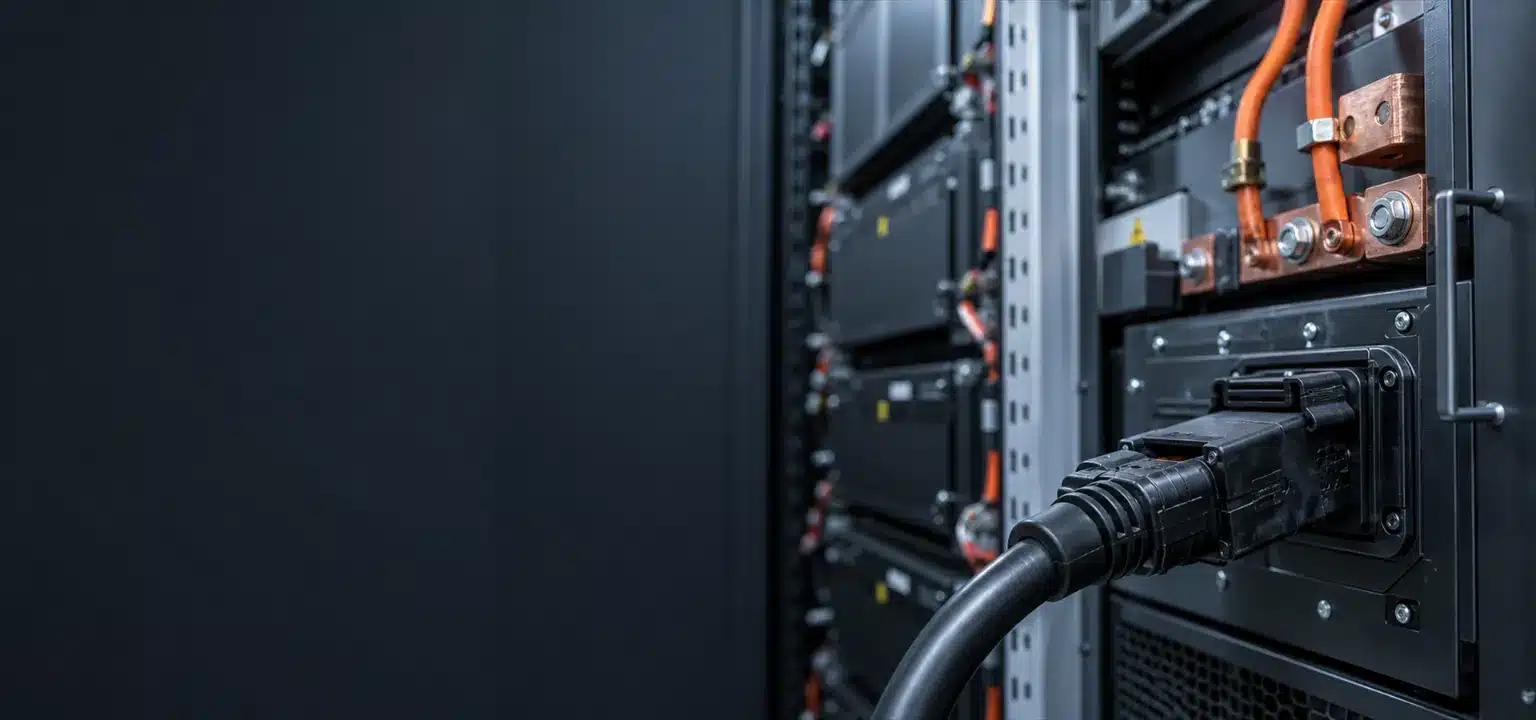
CN Series push-in DC connectors for battery modules, racks, cabinets, and power conversion systems — 70 A to 500 A, up to 1500 V DC, IP67, and −40 to +125 °C.
See how our connectors wired a 5 MW/10 MWh BESS cabinet →
View Energy Storage Connectors→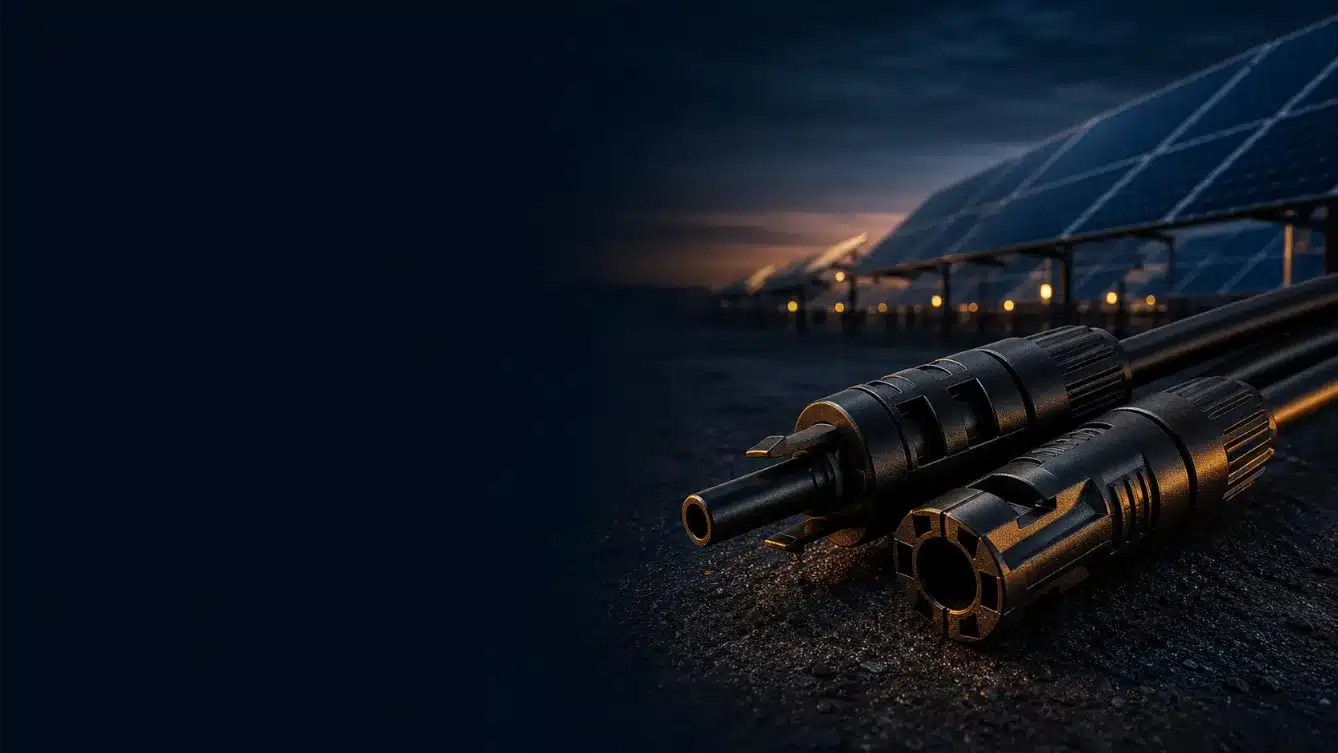
02
PV4 Series MC4-style connector for photovoltaic module and string wiring — rated 30 A and 1000 V, for 4 mm² and 6 mm² solar cable, with IP68 protection.
03
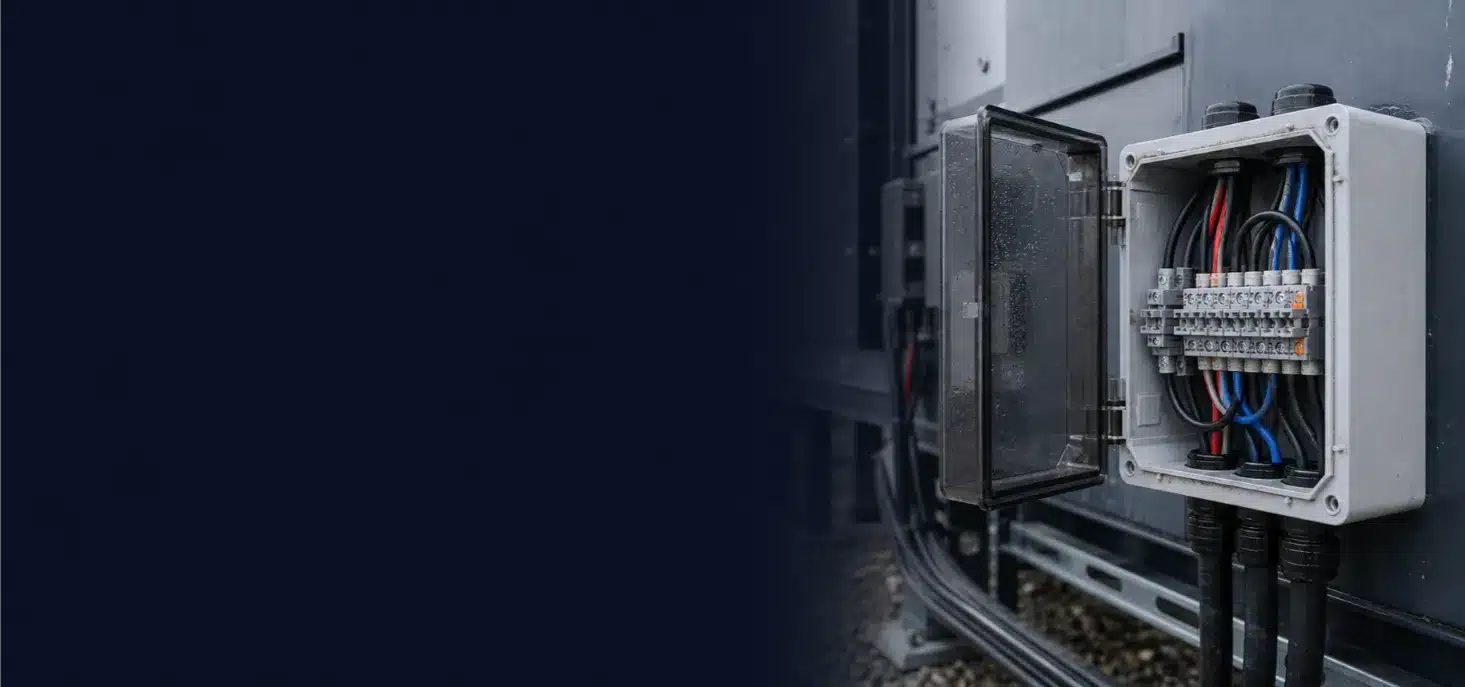
M686 Series sealed junction boxes for outdoor cable joining, branching, and distribution — 24 A at 450 V AC (IEC), IP68 tested at 2 m for 120 h, and −40 to +105 °C.

04
M684-T and M684-X spring-clamp connectors for fast outdoor wiring — 24 A at 450 V AC (IEC), 10 A at 300 V AC (ETL), IP68, and −40 to +105 °C.
05
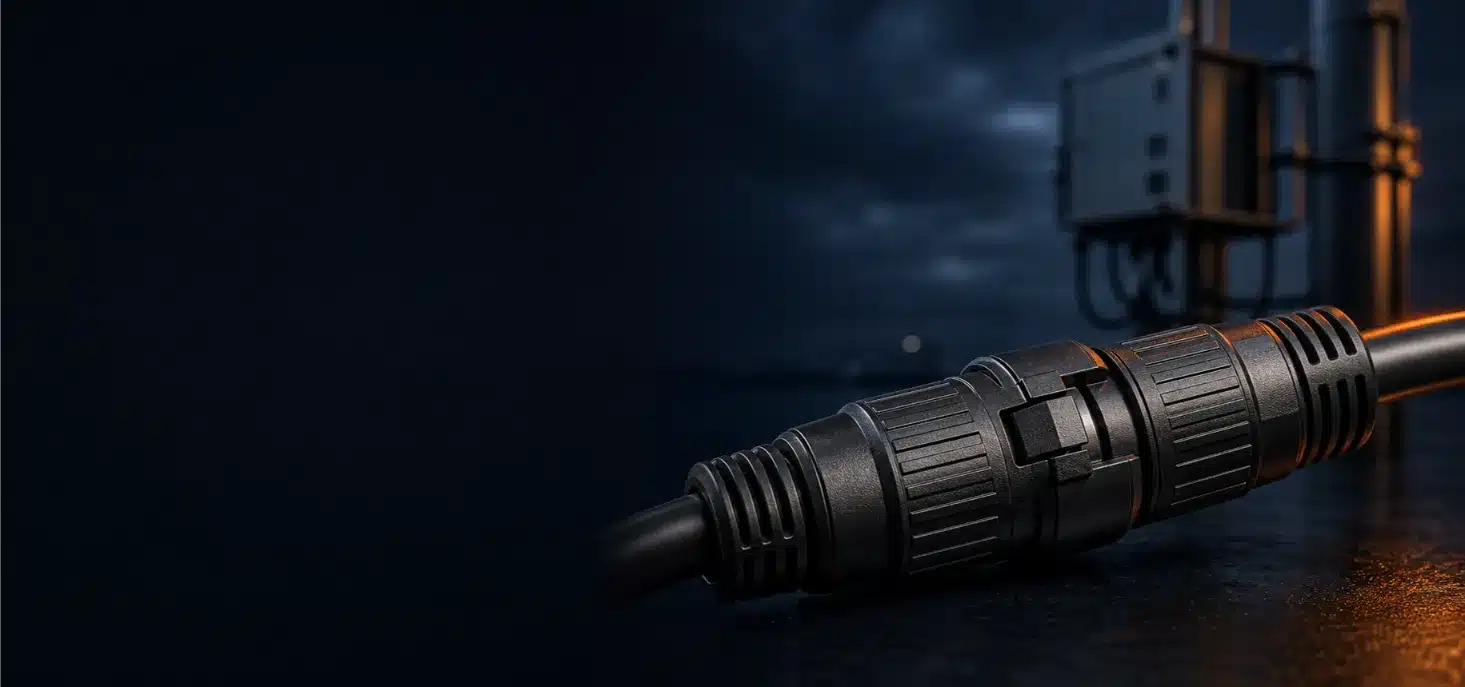
M682–M685 screw-terminal connectors for outdoor lighting, pumps, distribution, and industrial equipment — 17.5 A to 32 A, 450 V AC (IEC), IP68, and −40 to +105 °C.
06
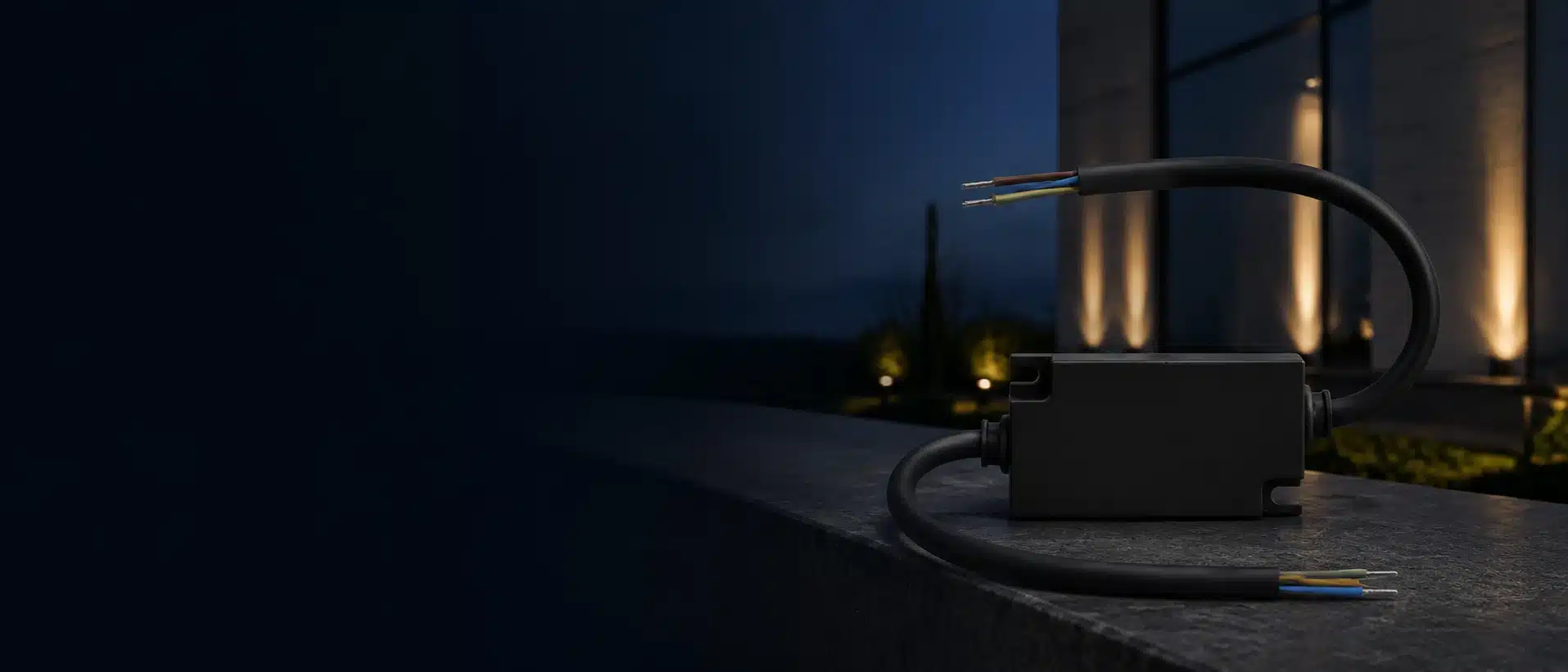
IP67 surge protection for LED drivers in street, roadway, parking, tunnel, stadium, and architectural lighting — available in 10 kV and 20 kV protection levels for 277 V AC systems.
07
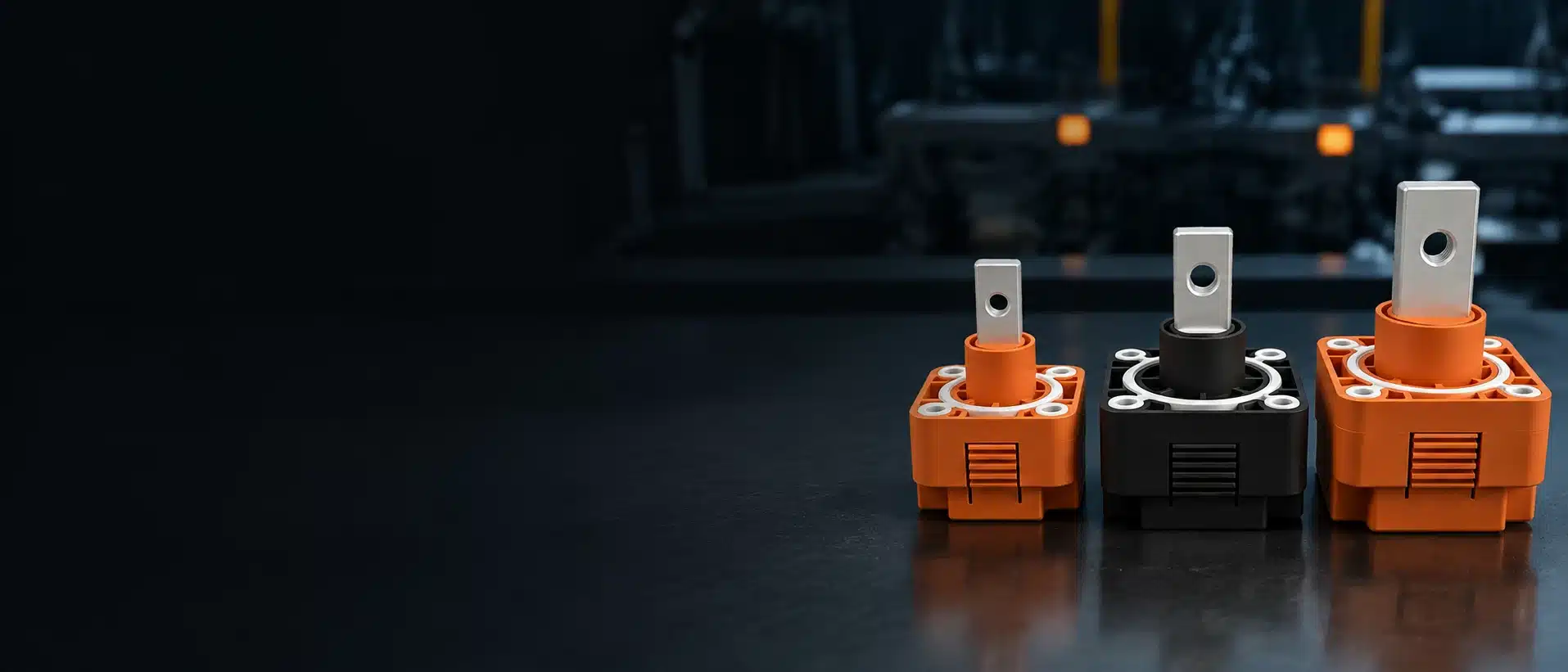
Fixed busbar-to-cable connection products for battery packs, racks, BESS cabinets, and PCS terminals — bolt types up to 400 A and copper-bar types up to 600 A.
08
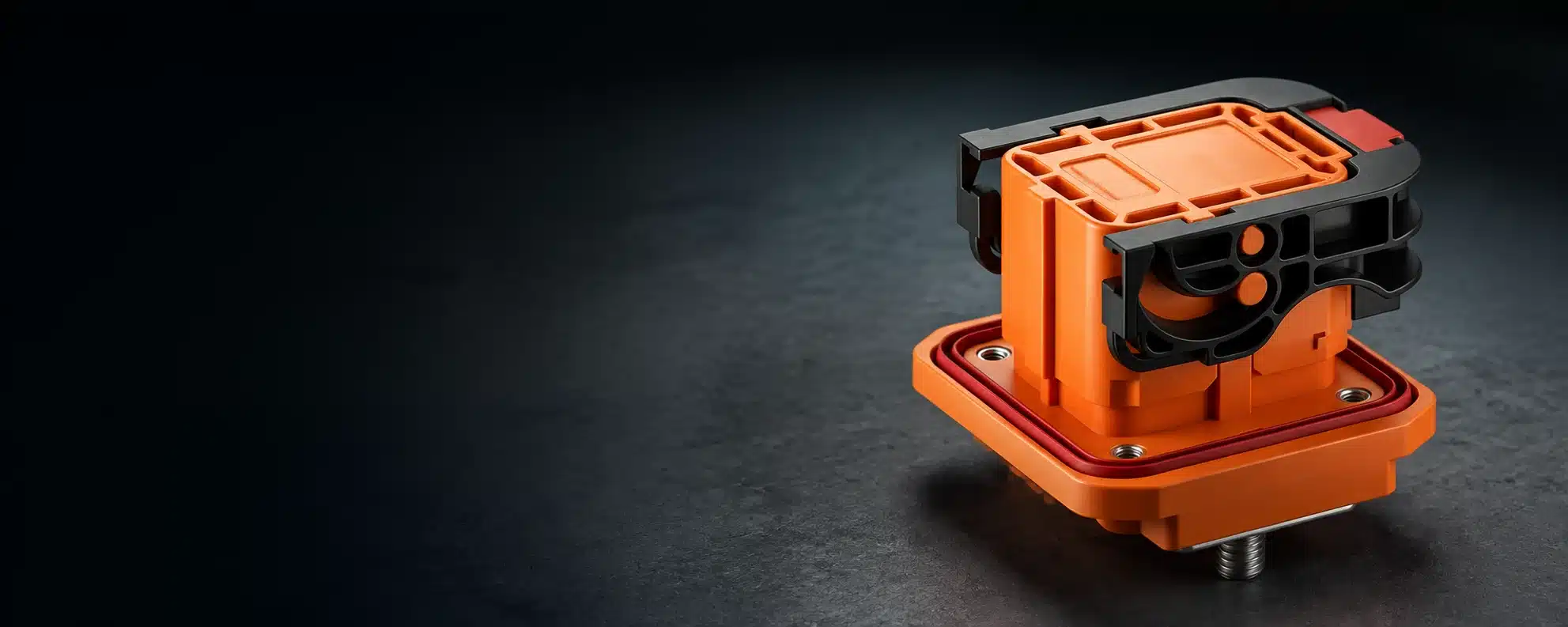
MSD-350 manual isolation device for safely interrupting high-voltage battery circuits before maintenance — rated 350 A at 1500 V DC with IP67 protection.
SELECTION CRITERIA
Match the connector to the full system — voltage class, continuous current, cable size, and environment all decide the right model. Confirm these four areas before ordering.
Pin down the connection point first: PV module, string cable, inverter, battery pack, equipment enclosure, or outdoor field device.
Confirm maximum system voltage, continuous current, cable cross-section, conductor type, and cable outside diameter.
Check the IP rating against the environment: IP67 for outdoor cabinets, IP68 for underwater or flood-prone locations. UV exposure, vibration, chemicals, temperature range, and expected mating cycles also matter.
Verify the mating interface, contacts, seals, approved tooling, and target-market requirements. Certification coverage varies by product model and may include CE, RoHS, UL, TÜV, ENEC, ETL, UKCA, CB, or CQC documentation. Confirm the exact ordered model before specifying a certification — see our Certificates page.
QUICK COMPARISON
| Application | Check First | Recommended Product Family |
|---|---|---|
| Residential rooftop PV | Voltage, current, cable size, compatibility, weather resistance | MC4 solar connector |
| BESS serviceable cable connections | Continuous current, DC voltage, cable size, orientation, locking | CN energy storage connectors |
| BESS busbar and PCS terminals | Busbar size, current class, voltage, cable lug, torque | Battery busbar connectors |
| Battery maintenance isolation | Maximum current, system voltage, panel opening, service procedure | MSD-350 manual service disconnect |
| Fast outdoor field wiring | Conductor size, pole count, cable OD, IEC/ETL rating | Screwless waterproof connectors |
| Outdoor lighting, pumps & equipment | Load current, conductor size, cable OD, pole count | Screw waterproof connectors |
| Outdoor cable branching | Number of ways, total current, conductor size, gland OD | M686 waterproof junction boxes |
| LED driver surge protection | 10/20 kV exposure class, supply voltage, wiring position | LED surge protective devices |
SPECIFICATIONS AT A GLANCE
Quick-reference ratings from the current PVLinkTech product pages. Confirm the exact model, datasheet, certification, and market-specific rating before ordering.
| Product Family | Models | Voltage | Current | Cable Range | IP Rating | Temp Range | Key Certifications |
|---|---|---|---|---|---|---|---|
| Energy storage connectors | CN06 – CN14 | 1500 V DC | 70–500 A | 10–185 mm² | IP67 | −40 to +125 °C | CE, RoHS; UL per model |
| MC4 solar connector | MC4 / PV4 Series | 1000 V* | 30 A | 4 / 6 mm² | IP68 | T100 | CE, RoHS; UL94 V-2 housing |
| Waterproof junction boxes | M686 Series | 450 VAC IEC / 300 VAC ETL | 24 A IEC / 10–15 A ETL | 0.5–2.5 mm² | IP68 (2 m / 120 h) | −40 to +105 °C | ENEC, CE, ETL, UKCA, CB, RoHS |
| Screwless waterproof connectors | M684-T / M684-X | 450 VAC IEC / 300 VAC ETL | 24 A IEC / 10 A ETL | 0.5–2.5 mm² | IP68 (2 m / 120 h) | −40 to +105 °C | ENEC, CE, UKCA, ETL, NSW, CB, RoHS |
| Screw waterproof connectors | M682 – M685 | 450 VAC IEC | 17.5–32 A | 0.5–2.5 mm² | IP68 (2 m/120 h) | −40 to +105 °C | ENEC, CE, UKCA, ETL, NSW, CB, RoHS |
| LED surge protective devices | GSPD1/3/4/5, M997/998/999 | 277 VAC; Uc 320 V | In 5–10 kA | Factory leads / model-specific | IP67 | Confirm datasheet | TÜV, CE, ETL, CQC, UKCA, RoHS |
| Battery busbar connectors | Bolt / copper-bar types | 600–1500 V DC | 100/120–600 A | 10–185 mm² | IP65 copper-bar; bolt varies | −40 to +125 °C copper-bar | CE; UL94 V-0 copper-bar |
| Manual service disconnect | MSD-350 | 1500 V DC | 350 A | 95–150 mm² typical | IP67 | −40 to +125 °C | UL94 V-0; confirm CE/UL/RoHS documents |
* The current MC4 product page lists “1000 V AC,” while the product is described for PV applications. Confirm the AC/DC designation against the issued datasheet before publishing or specifying the product.
HOW TO SELECT
Tell us where the connector will be used and describe the operating environment.
Provide voltage, current, cable size, interface, IP rating, certification, and quantity.
Review the suggested product family, drawings, datasheets, samples, and quotation.
FREQUENTLY ASKED QUESTIONS
Practical answers for selecting solar PV, battery energy storage, waterproof power, internal wiring, and industrial signal connectors.
Ask Our Engineers → Browse the full purchasing FAQ →Start with the application and connection location. Use the MC4/PV4 Series for solar cable, CN connectors for serviceable BESS cable connections, busbar connectors for fixed high-current joints, an MSD for maintenance isolation, waterproof connectors or junction boxes for outdoor wiring, and LED surge protective devices for luminaire protection.
Provide the application, maximum voltage, continuous current, cable cross-section, cable outside diameter, conductor type, pole count, mounting method, environmental conditions, certification, and quantity.
PV connectors are designed for solar module and string cable connections. Energy storage connectors are intended for battery packs, battery racks, inverters, and other high-current DC connections.
Choose M682–M685 screw-terminal connectors when a familiar, torque-controlled termination is preferred. Choose M684-T or M684-X screwless versions when installation speed and limited screwdriver clearance are the priorities. Both styles require correct cable-gland tightening to maintain IP68 protection.
Cable cross-section refers to conductor size. Cable outside diameter includes the insulation and determines whether the cable fits the seal.
Do not assume similarly shaped connectors are interchangeable. Use a verified and approved connector pair.
Not always. Many connectors achieve their stated protection only when correctly assembled, fully mated, and used with a compatible cable diameter.
The PV4 Series follows the MC4 connector format, but similar shape does not guarantee certified cross-brand interoperability. Confirm the mating pair, certification conditions, contact geometry, seals, and project requirements before mixing connector brands.
Use a CN push-in connector for a serviceable cable joint that must be connected and disconnected during installation or maintenance. Use a bolt or copper-bar connector for a fixed high-current connection directly to a battery or PCS busbar.
The MSD-350 provides a designated manual isolation point before battery-system maintenance. It is rated 350 A at 1500 V DC, uses a two-stage interlocking handle, carries an IP67 rating, and supports at least 300 mating cycles.
LET’S BUILD YOUR CONNECTION SOLUTION
Share your application, specifications, and estimated quantity. Our team will recommend a suitable connector solution and provide a quotation.
Low MOQ · OEM & ODM · Product Selection Support · Fast Quote Response